
ESG Reporting & Compliance
Not just compliance—commercial survival. Clean, audit-ready ESG data now decides supplier selection, loan pricing, tender scores, and market access—even if you’re not listed.
Customer pressure: large buyers require supplier ESG data (codes of conduct, Scope 3, EcoVadis/CDP).
Financing & insurance: banks/insurers price risk with ESG data; sustainability-linked loans need KPIs and evidence.
Tenders & trade rules: tenders and cross-border rules increasingly ask for policies, targets, and audit-ready records.
Key Services for Effective ESG Reporting
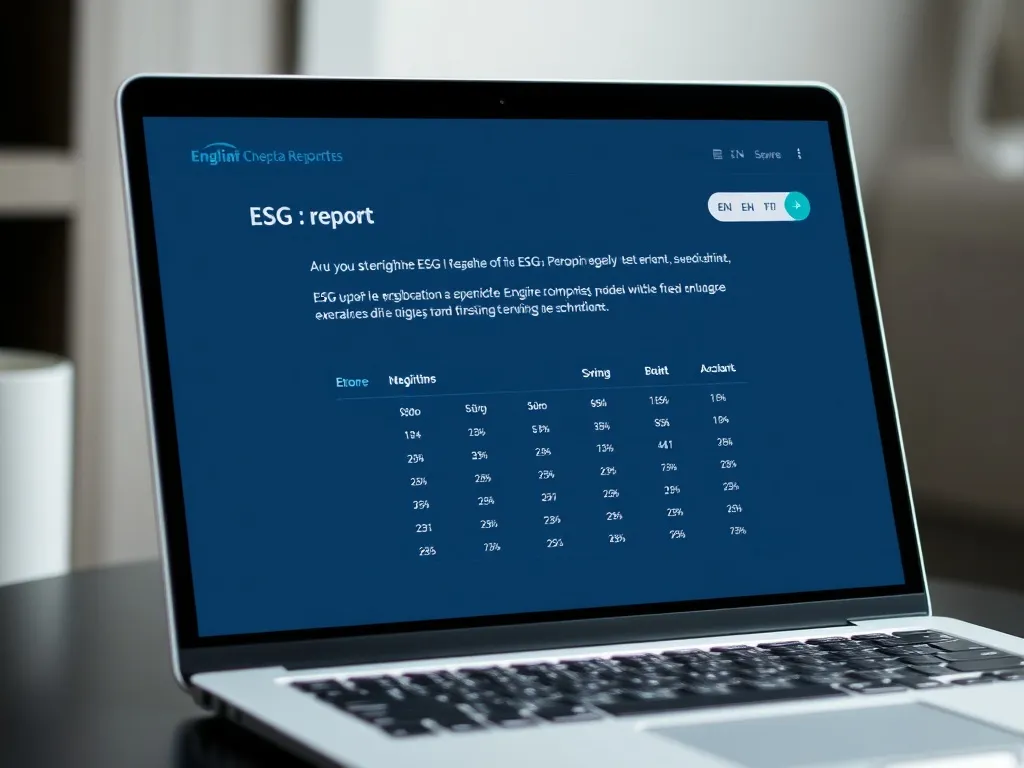
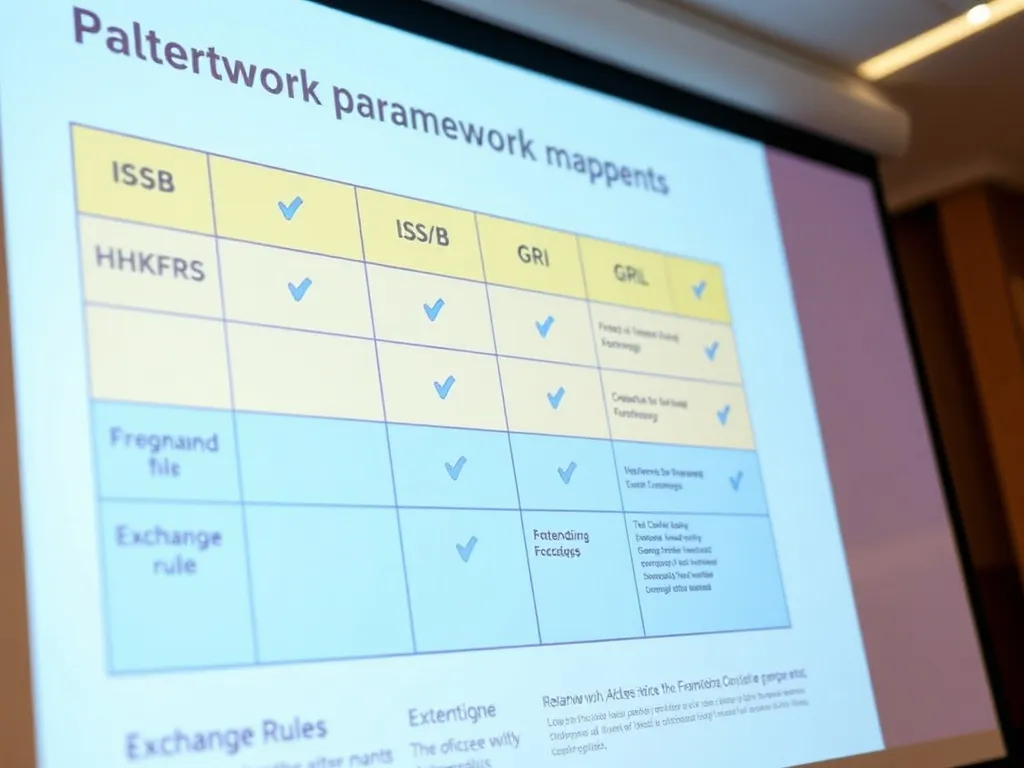
ISSB-aligned reporting with a single source of truth. We build clean data and clear controls, then deliver bilingual disclosures mapped to ISSB/HKFRS S1-S2, GRI, and your exchange rules (e.g., HKEX/CSDS). Investor-grade and assurance-ready.
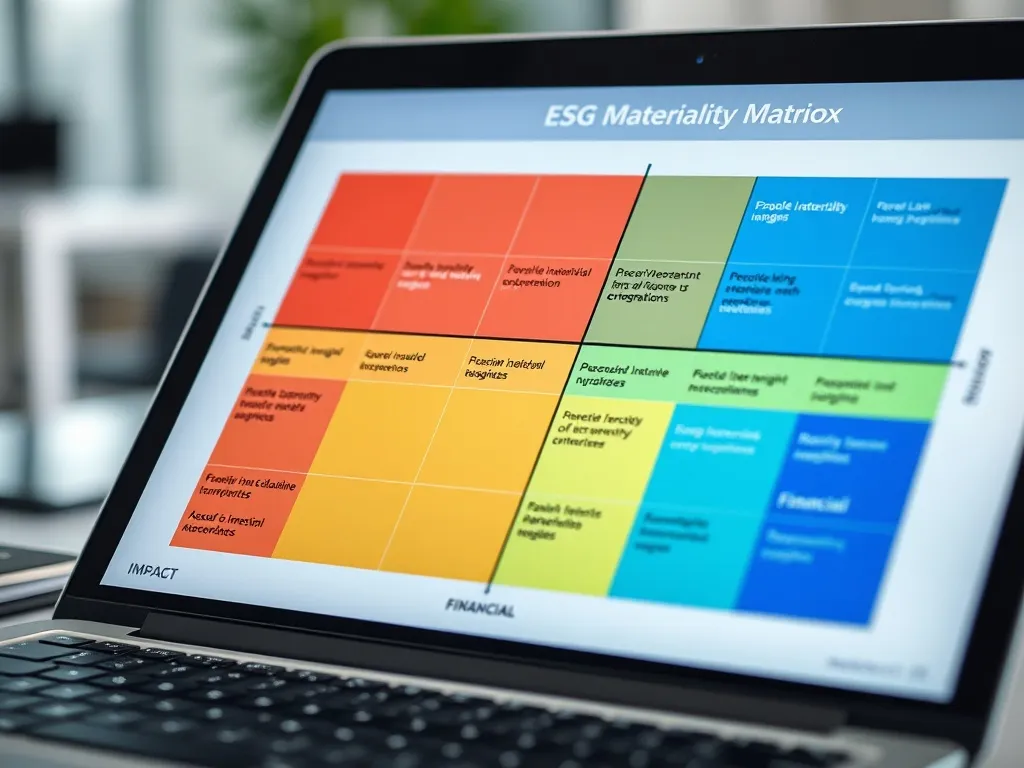
Double Materiality & Stakeholders
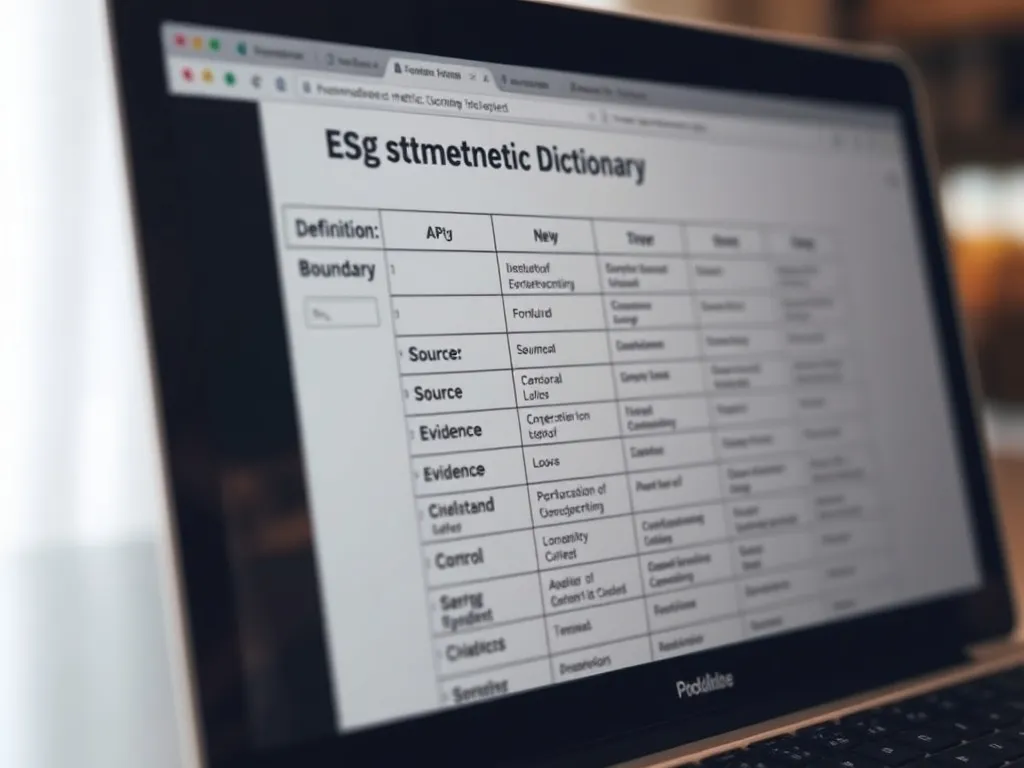
Data Model Development
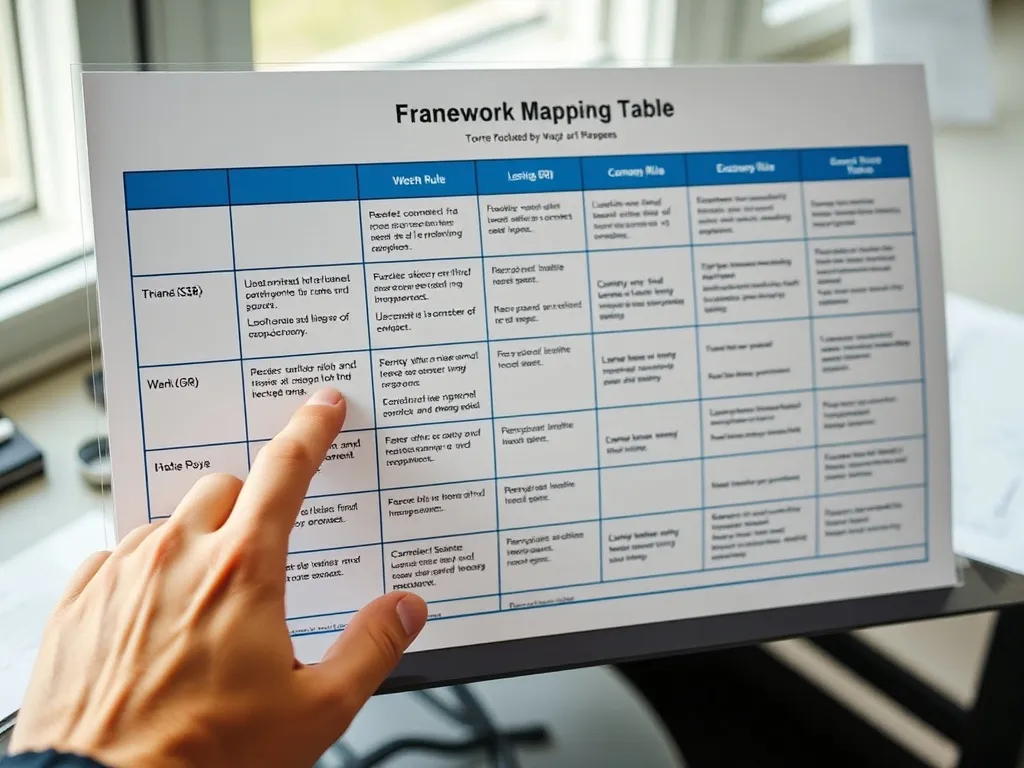
Framework Mapping (ISSB/HKFRS • GRI • Exchange Rules)
Assurance-Ready Evidence & QA
Reporting Calendar & RACI
Bilingual Drafting & Board Pack
Our Streamlined ESG Reporting Process
At ThECO Link Limited, we ensure a seamless ESG reporting process. From initial scoping and gap assessments to meticulous data collection and stakeholder reviews, we guide you through each step. Our goal is to deliver investor-grade reports that meet ISSB, GRI, HKEX and CSDS standards.
- Scoping & Calendar: Define reporting scope and establish a clear timeline.
- Gap Assessment: Identify gaps against relevant ESG frameworks.
- Data Collection: Gather accurate and verifiable data with robust internal controls.
- Stakeholder Review: Incorporate feedback from key stakeholders for comprehensive reporting.
Insights & Updates
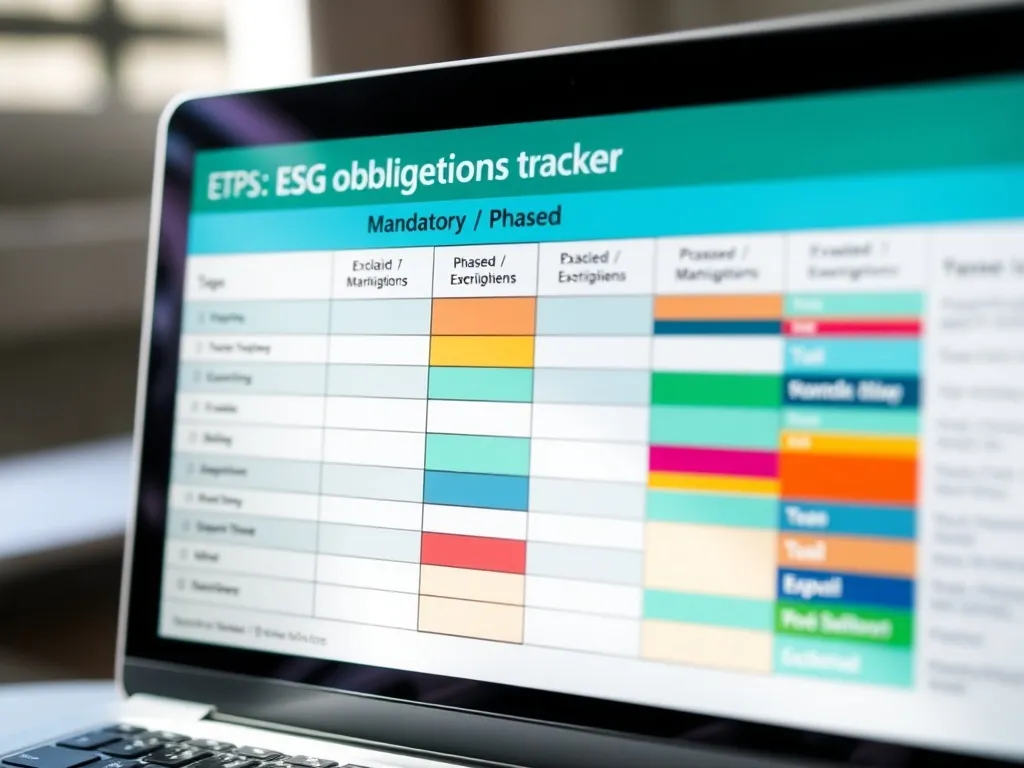
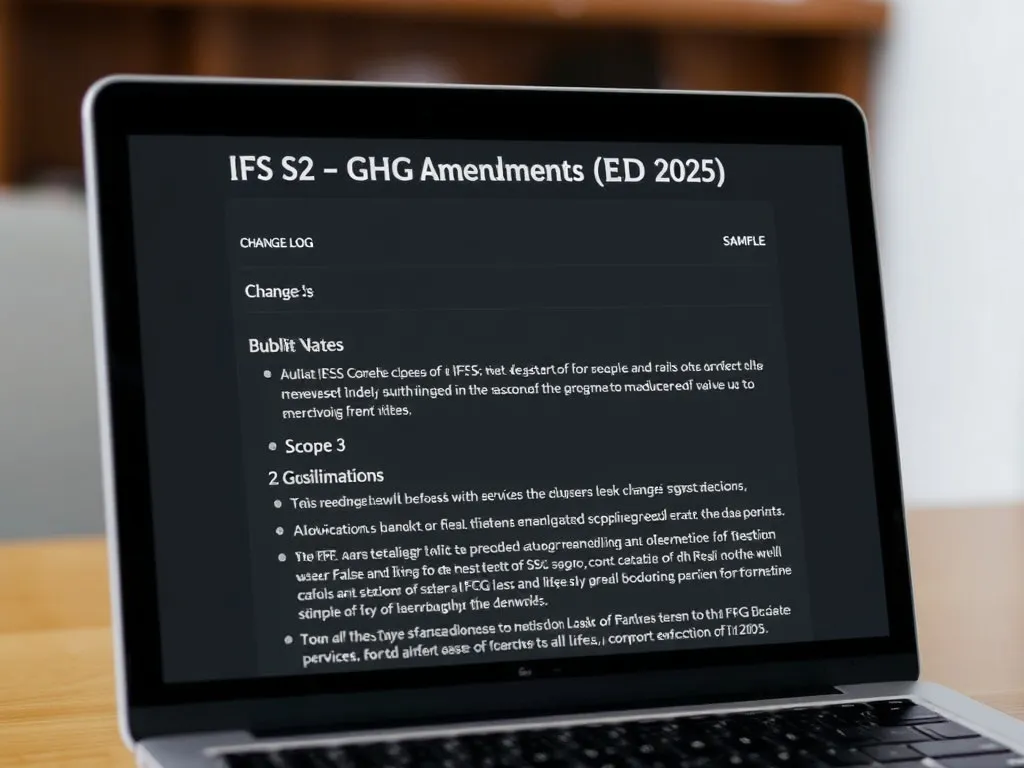
ESG rules in Hong Kong and Mainland China are moving fast. These are the updates most likely to affect your 2025–2028 reporting—what’s in scope, when it applies, and what to prepare now (data, controls, evidence).
FAQs
ESG reporting involves disclosing environmental, social, and governance data to meet investor and regulatory requirements, enhancing transparency and trust.
It shapes public perception & brand, meets rising societal expectations, signals to investors and lenders (eligibility/pricing), and helps reduce climate-related risks (transition/physical) via better data and controls. Net effect: protect access, margin, and resilience.
Jurisdiction first (HKEX/HKFRS or CSDS/exchange). Use ISSB/HKFRS as backbone; add GRI only if stakeholders need. Prioritise items you can evidence & control; publish a 2–3-year roadmap.
Yes—if your FY begins on/after 1 Jan 2025 (comply-or-explain). HSCI LargeCap: mandatory from FYs beginning 1 Jan 2026. First map FY start and confirm any reliefs.
Voluntary from 1 Aug 2025 with a pathway to 2028 (large PAEs). Phase-in: S1 backbone → core S2 metrics → full mapping; build the evidence pack alongside.
Prioritise material & feasible categories; document boundaries, factors, assumptions. Start scenarios from sector pathways and link to targets/capex. Keep a methods memo.
It’s a commercial gate: supplier due-diligence, loan/insurance pricing, and tender scores need credible data. A compact ESG pack protects revenue and speeds approvals.